
Best Practices for Podcast SEO on Spotify, Apple Podcasts, and Other Native Platforms
The rapid growth of the podcasting industry has made discoverability on platforms like Spotify, Apple Podcasts, and others more competitive than ever. While social media, websites, and email marketing can drive traffic to your podcast, optimizing for native podcast platforms is crucial to attracting organic listeners. Here’s an in-depth guide to improving your podcast’s findability.
Understanding Podcast SEO
Podcast SEO is the process of optimizing your show and episodes to rank higher in search results on native platforms. Unlike traditional web SEO, native podcast platforms use metadata, engagement signals, and other platform-specific factors to surface relevant shows.
Key elements include:
• Podcast title
• Episode titles
• Descriptions
• Categories
• Tags/keywords
Each platform has its own algorithm, but many principles are universal.
1. Optimize Your Podcast Title
Your podcast title is the first (and most crucial) piece of metadata that influences discoverability.
Best Practices:
• Be descriptive and specific: Include your main topic or niche directly in the title. For example, “Marketing Secrets for Higher Education” is better than “The Marketing Show.”
• Avoid keyword stuffing: Use natural language that appeals to your audience.
• Consider branding: If your podcast has a unique angle, reflect it in the title.
Example:
Before: “The Business Podcast”
After: “Scaling Up Strategies for Small Businesses”
2. Craft Episode Titles Strategically
Episode titles should combine clarity with curiosity. Think of them as headlines that entice listeners while incorporating relevant keywords.
Best Practices:
• Use action-oriented language: Phrases like “How to,” “Top 10,” or “The Ultimate Guide” perform well.
• Include episode-specific keywords: These help the platform categorize your content for search.
• Limit length: Titles often get truncated, so aim for 60 characters or less.
Example:
Before: “Episode 23 – Productivity Tips”
After: “Boost Productivity: 7 Hacks for Entrepreneurs”
3. Write Compelling Descriptions
Your podcast and episode descriptions are where you can expand on your topic and include secondary keywords. These fields are indexed by most platforms.
Best Practices:
• Front-load key information: Start with a strong hook or summary of the episode.
• Incorporate keywords naturally: Mention your main topic and related terms without overloading.
• Include a call-to-action (CTA): Encourage listeners to subscribe, leave a review, or visit your website.
Example Template for Episode Descriptions:
“In this episode of [Podcast Name], we discuss [main topic]. Learn how to [specific benefit], hear insights from [guest/expert], and discover [key takeaway]. Don’t forget to [CTA].”
4. Leverage Tags and Categories
Both Spotify and Apple Podcasts allow you to choose categories and, in some cases, tags. These help your podcast appear in curated lists and related searches.
Best Practices:
• Choose primary and secondary categories wisely: For example, if your podcast is about marketing, you might select “Business” as the primary and “Education” as a secondary category.
• Update categories as needed: If your podcast evolves, adjust categories to maintain relevance.
5. Use Show Notes as SEO Gold
Show notes are an underutilized asset for SEO. They provide additional content for listeners and are often indexed by platforms.
Best Practices:
• Summarize the episode: Include timestamps for key moments.
• Link strategically: Direct listeners to your website, resources, or guest profiles.
• Add a transcript: Including a full transcript improves accessibility and helps with keyword density.
6. Engage Listeners to Boost Signals
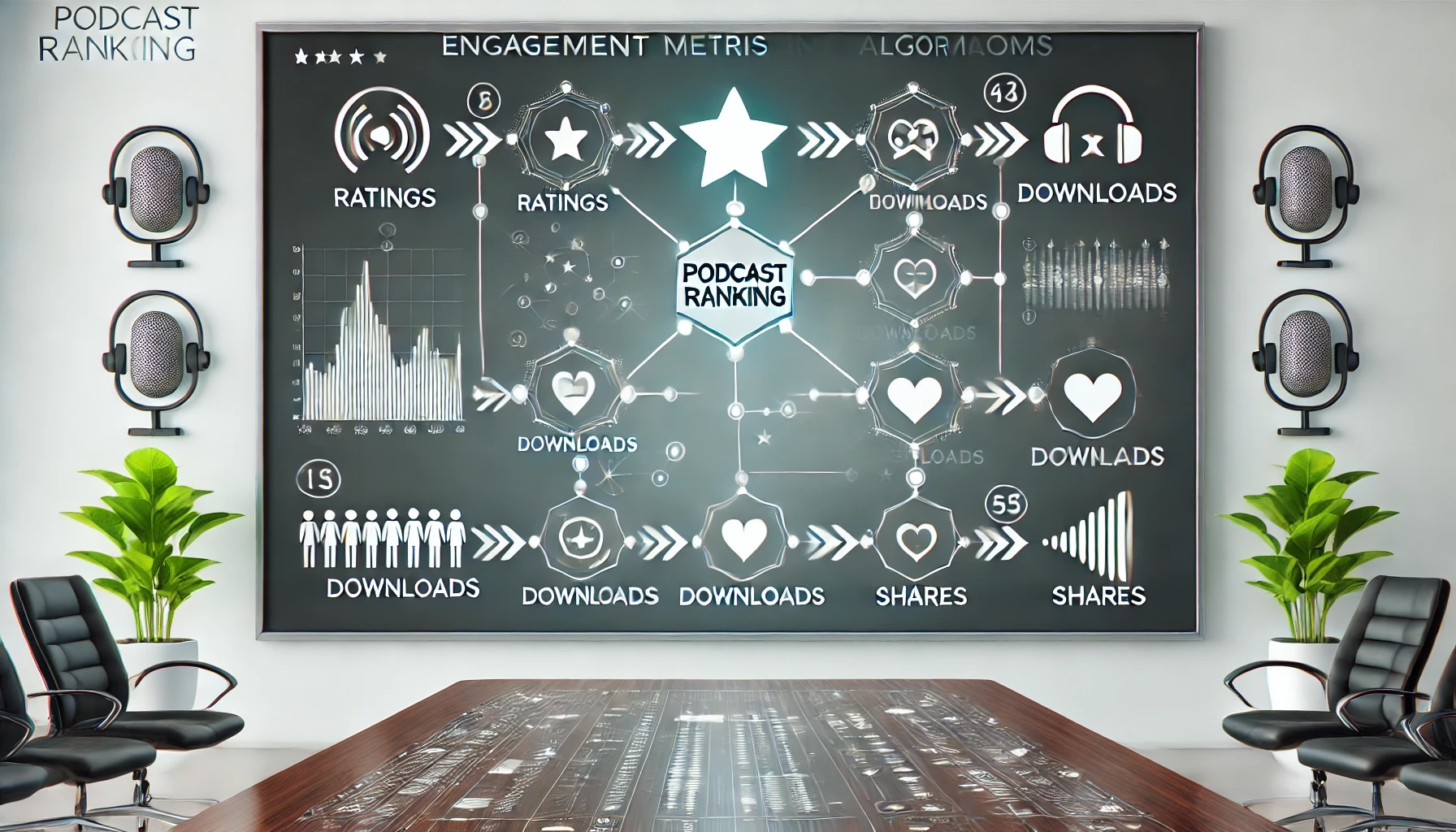
Native platforms track user engagement—such as subscriptions, downloads, and reviews—to determine a podcast’s popularity.
Best Practices:
• Ask for reviews and ratings: Include a CTA at the end of every episode.
• Encourage episode sharing: Provide shareable links and social media-friendly snippets.
• Create consistent uploads: Regular publishing schedules signal reliability to algorithms.
7. Visual Assets Matter
Podcast cover art is often the first impression of your show and can influence clicks and engagement.
Best Practices:
• Follow platform guidelines: Apple Podcasts recommends cover art of 3000 x 3000 pixels in JPG or PNG format.
• Be bold and readable: Use large, clear fonts that are legible even at thumbnail size.
• Incorporate branding: Use colors and visuals that align with your podcast’s theme.
8. Promote on External Platforms
While this step isn’t native SEO, driving traffic to your podcast can improve its ranking. Platforms like Apple Podcasts and Spotify reward shows with more engagement.
Best Practices:
• Embed players on your website: Use tools like Spotify’s embed code to make listening seamless.
• Repurpose content: Turn episodes into blog posts, social media clips, or YouTube videos to reach new audiences.
9. Monitor Analytics for Optimization
Most platforms provide analytics tools to track performance. Use these insights to refine your strategy.
Metrics to Track:
• Listener demographics (age, location, etc.)
• Drop-off points in episodes
• Most-downloaded episodes
Tools to Use:**
• Apple Podcasts Connect
• Spotify for Podcasters
• Third-party tools like Chartable or Podtrac
Graphics Prompt:
1. Podcast SEO Hierarchy
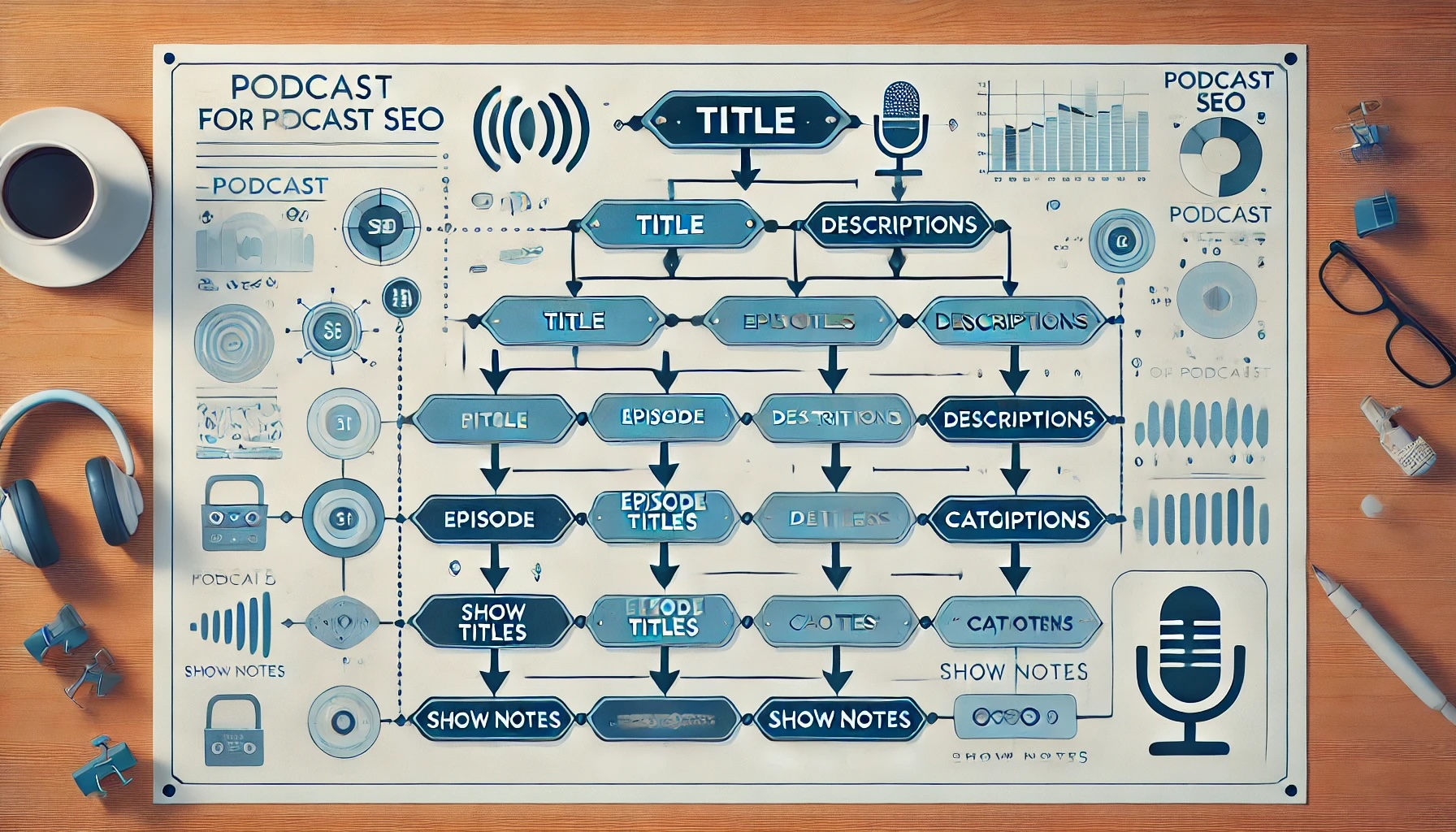
Visualize metadata importance: Title > Episode Titles > Descriptions > Categories > Show Notes.
2. Engagement Metrics Diagram
Show how engagement (ratings, downloads, shares) impacts ranking algorithms.
3. Optimized Episode Title Anatomy
Break down an episode title with keywords, length, and action-oriented language highlighted.
Final Thoughts
Native podcast SEO is an evolving field, but by optimizing metadata, engaging your audience, and monitoring performance, you can improve your podcast’s discoverability. Whether you’re launching a new show or refining an existing one, these best practices will help you reach more listeners and build a loyal audience.
Ready to take your podcast to the next level? Start implementing these strategies today and watch your downloads grow.
References:
1. Apple Podcasts Connect
• Apple’s official guidelines for podcast creators, including metadata optimization and best practices for discoverability.
• https://podcasters.apple.com/support/893-apple-podcasts-best-practices
2. Spotify for Podcasters
• Tips and tools from Spotify on how to grow your podcast audience and optimize your presence on their platform.
• https://podcasters.spotify.com/
3. Buzzsprout Blog
• Detailed advice on podcast SEO, including insights into keywords, descriptions, and titles.
• https://www.buzzsprout.com/blog/podcast-seo
4. Chartable Insights
• Data-driven insights and case studies on podcast discoverability and ranking algorithms.
5. Podnews
• A daily newsletter and resource hub for podcasting trends and platform-specific SEO recommendations.
Here’s the prompt chain that created this post and images.
 Will Scott